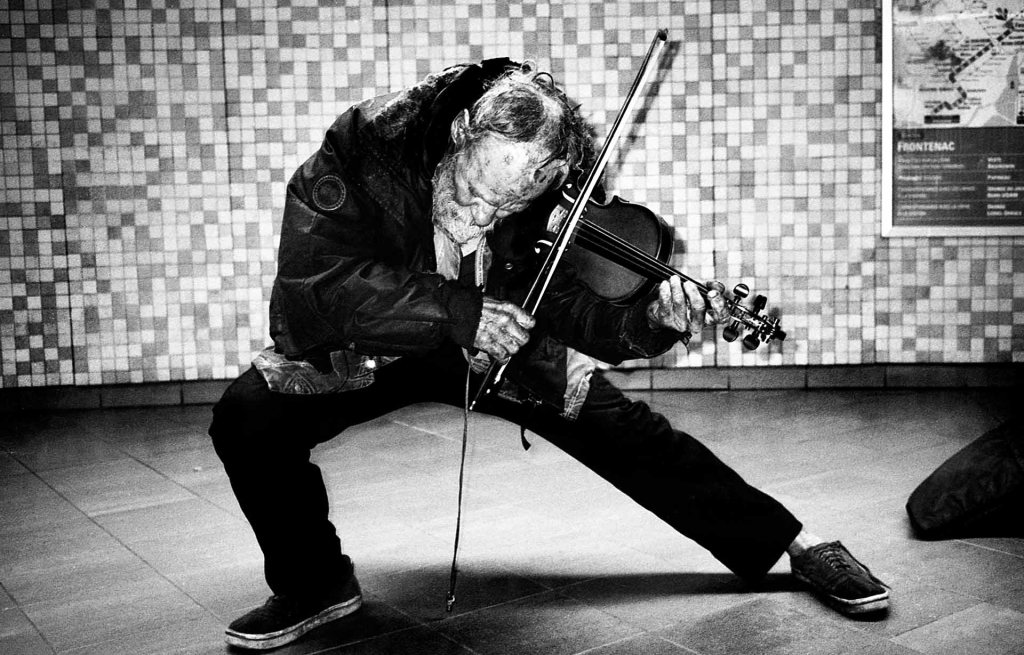
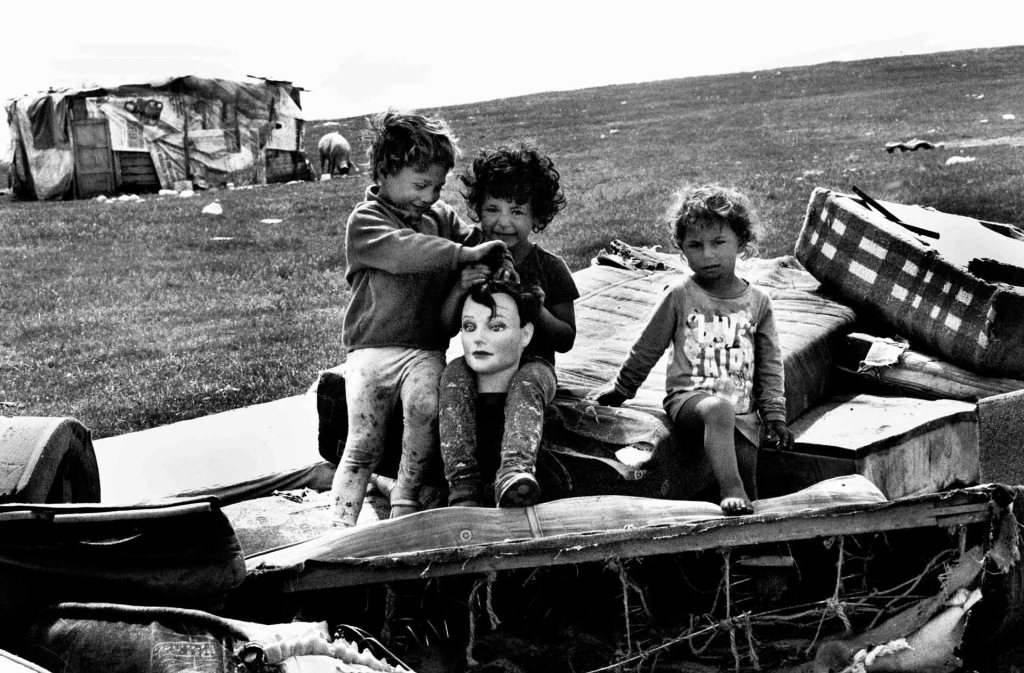
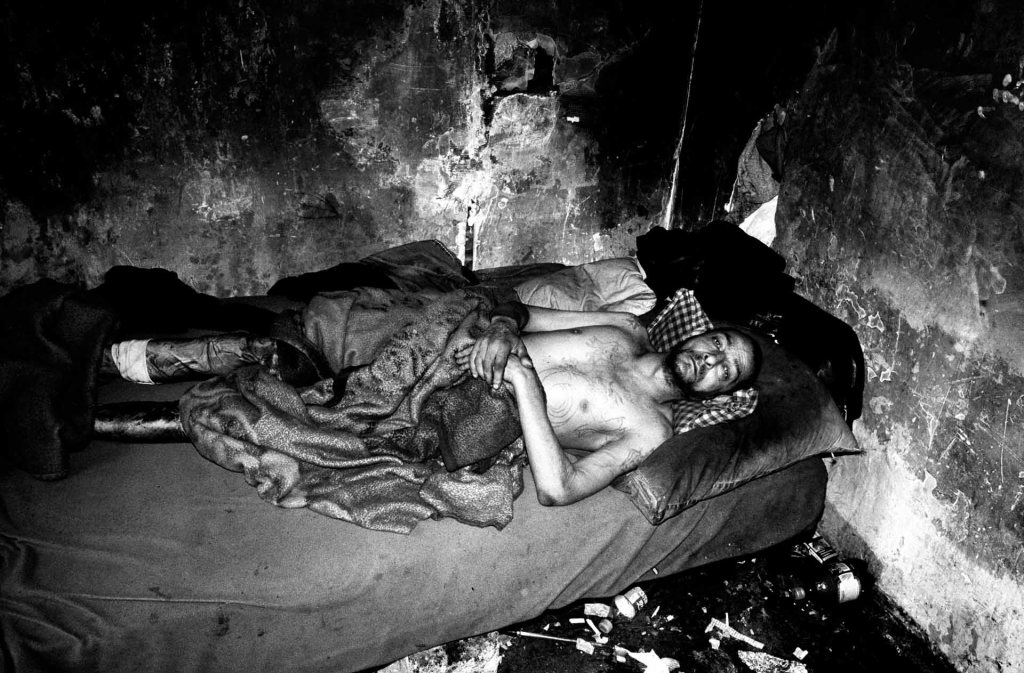
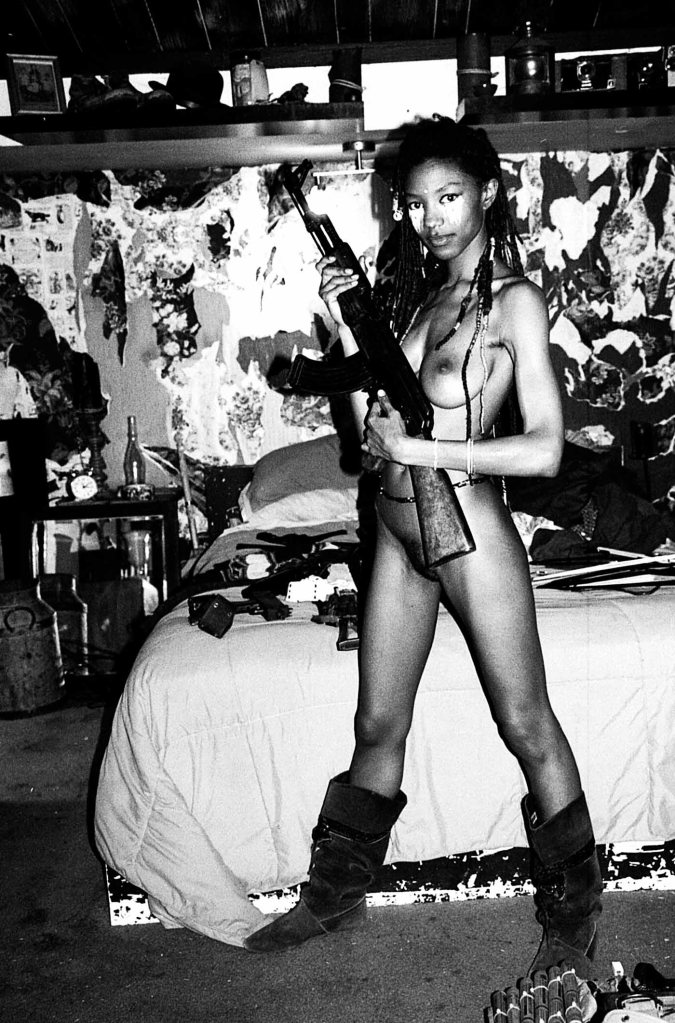
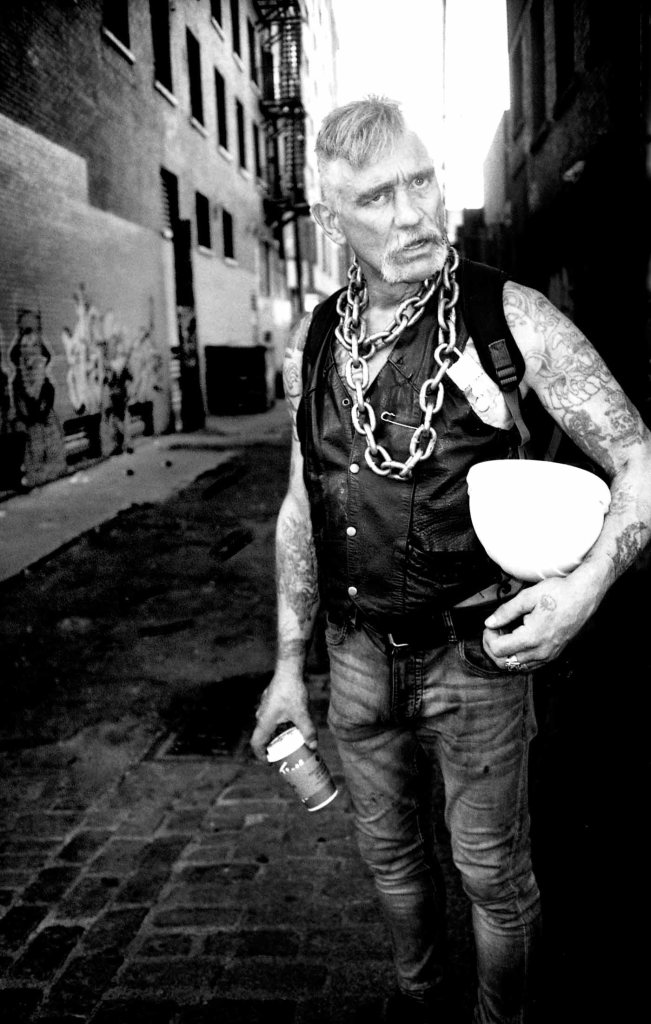
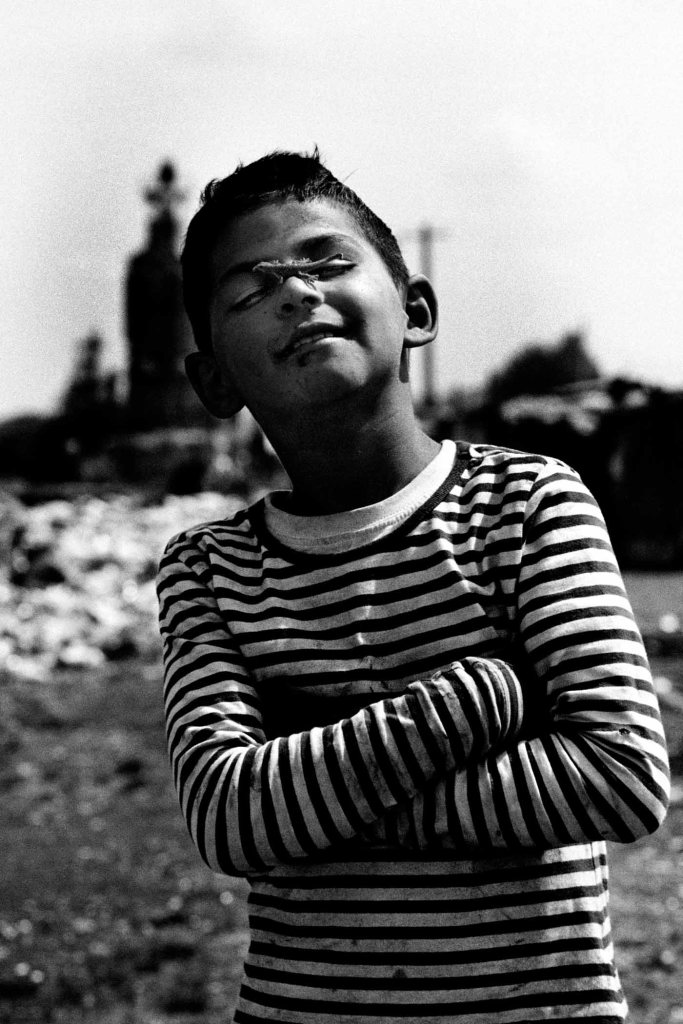
Miron Zownir stands as one of the most uncompromising, singular voices in contemporary documentary photography. Often called the “poet of radical photography,” Zownir has spent nearly five decades documenting what most of polite society deliberately chooses to ignore: the underbelly of urban life, the outcasts, the misfits, the desperate, and the rebellious. Working strictly in stark, high-contrast, analogue black-and-white, his images bypass the superficial glamour of the mainstream media to capture raw, unfiltered human vulnerability and social collapse with profound empathy and cinematic intensity.
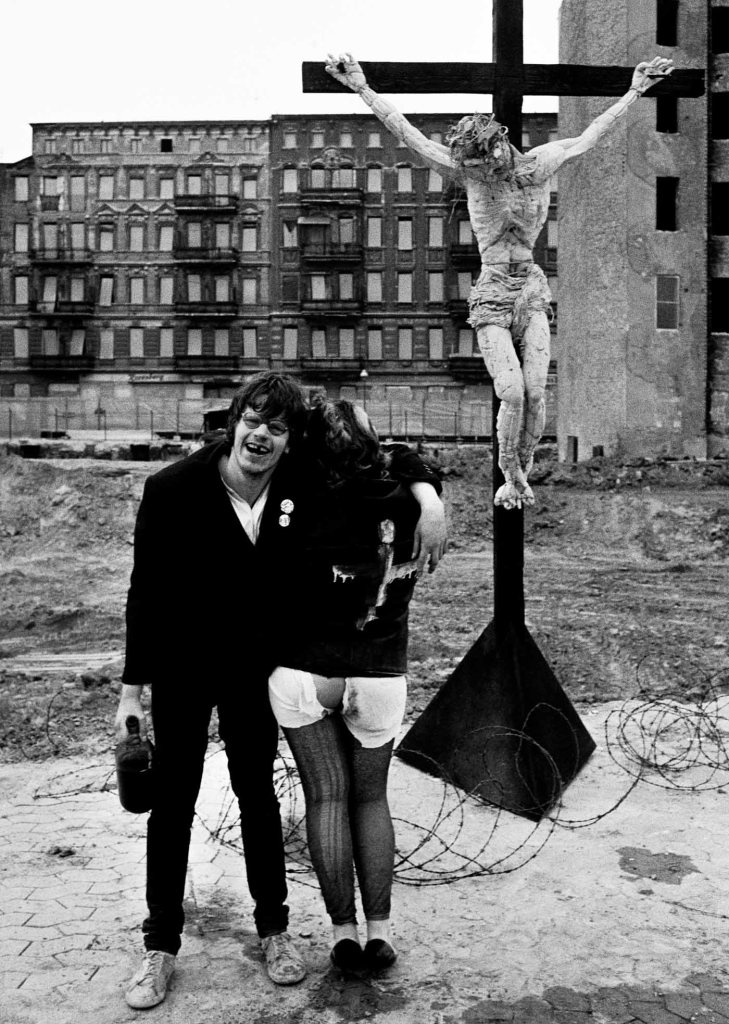
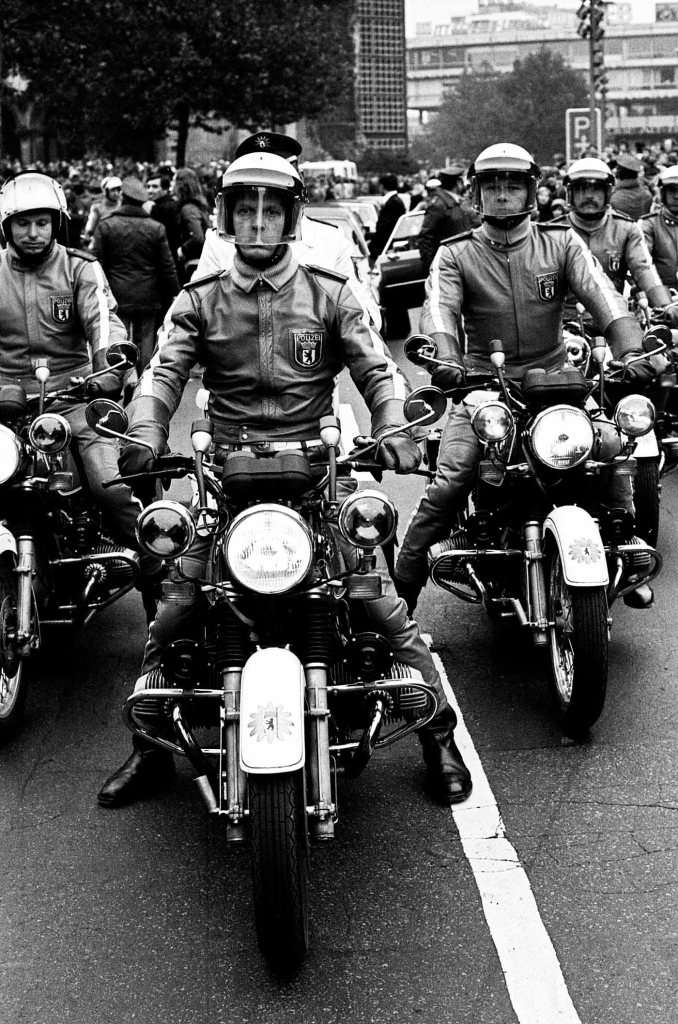
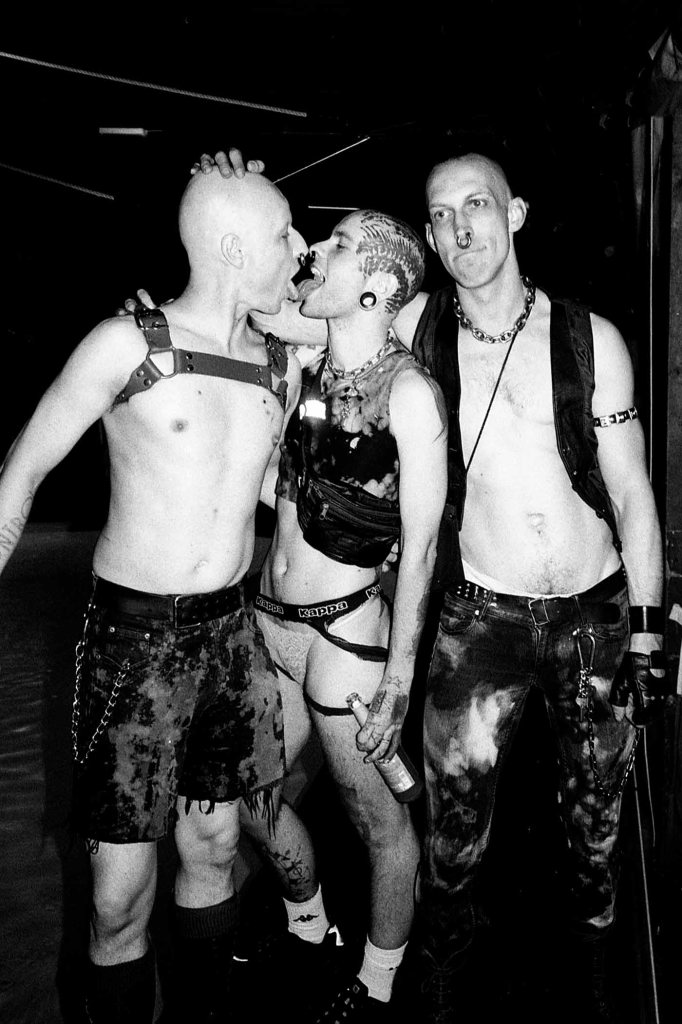
Born in Karlsruhe, Germany, Zownir’s artistic sensibilities were shaped early by the bizarre, slightly claustrophobic atmosphere of a post-war landscape populated by eccentric and damaged small-town characters. A self-taught artist who initially sought a path in film school, Zownir turned to photography in the mid-1970s when he moved to West Berlin. At the time, the isolated, heavily subsidized walled city was a magnet for draft evaders, squatters, artists, and punks. Armed with borrowed cameras and surviving on underpaid temporary labor, Zownir began chronicling the emerging punk movement and the city’s nocturnal underworld, capturing a subculture balanced precariously between utopian rebellion and nihilistic self-destruction.
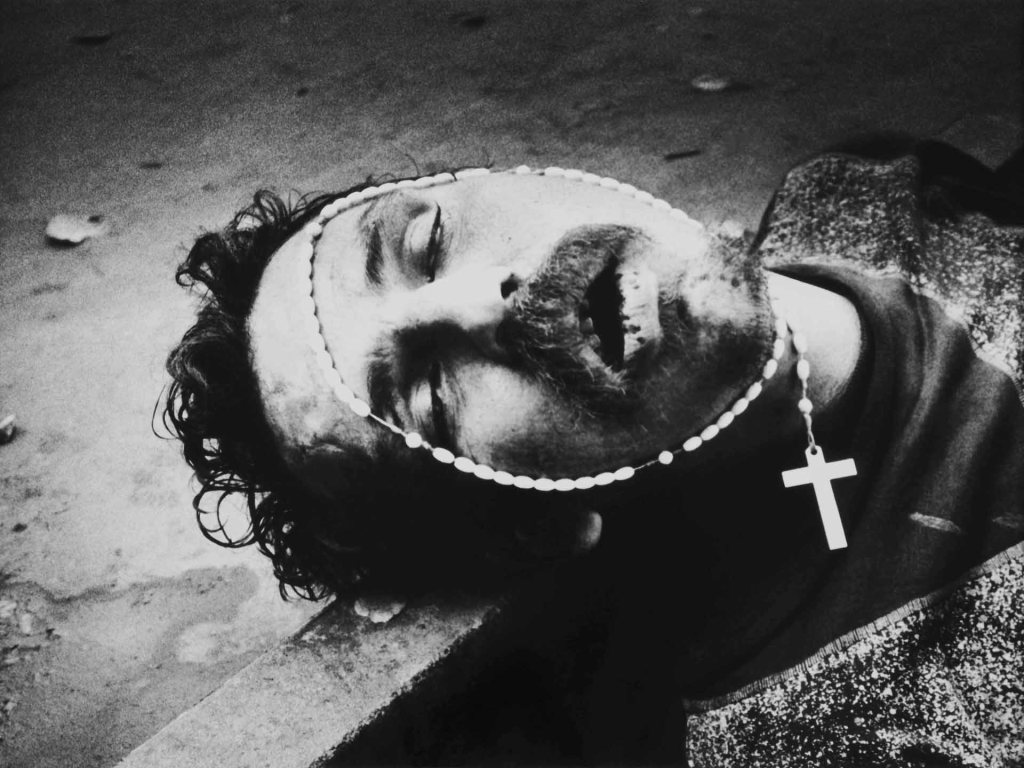
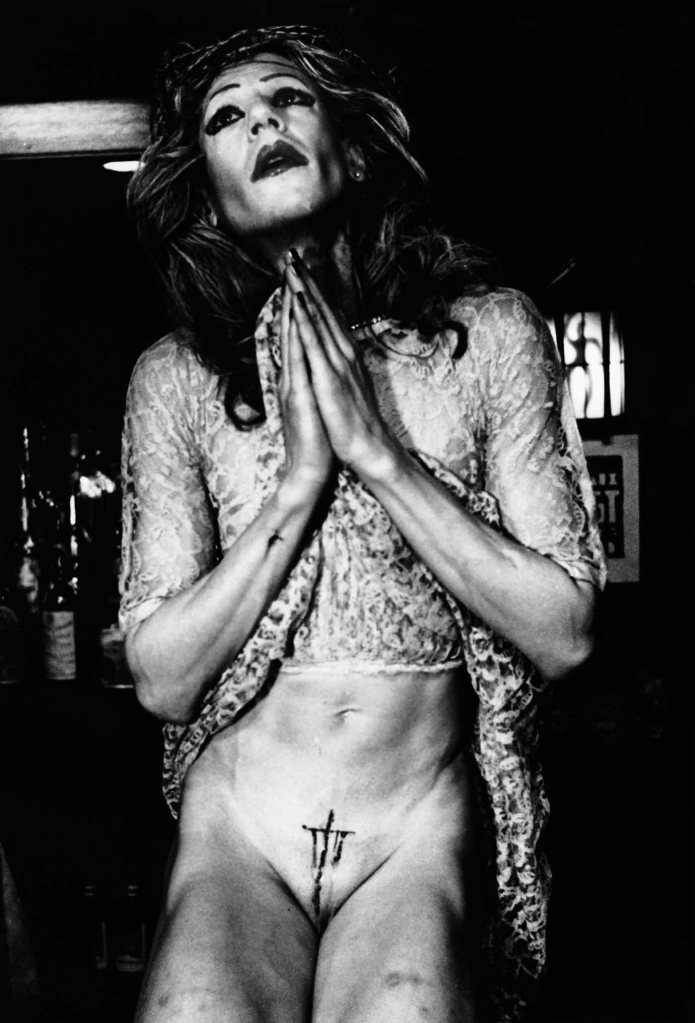
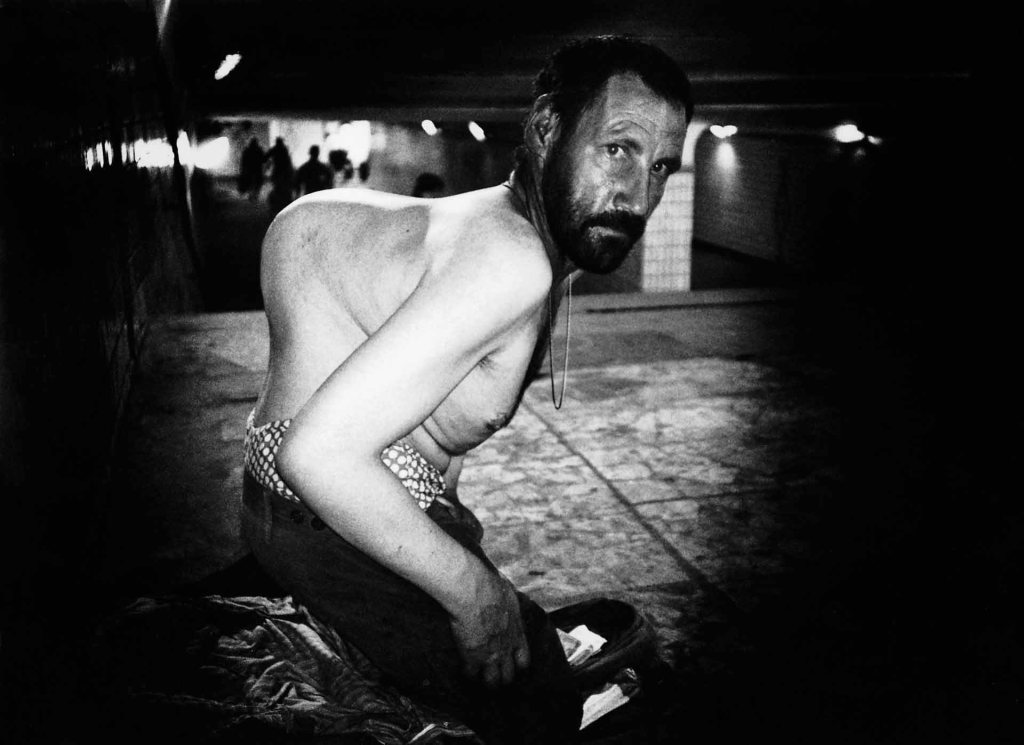
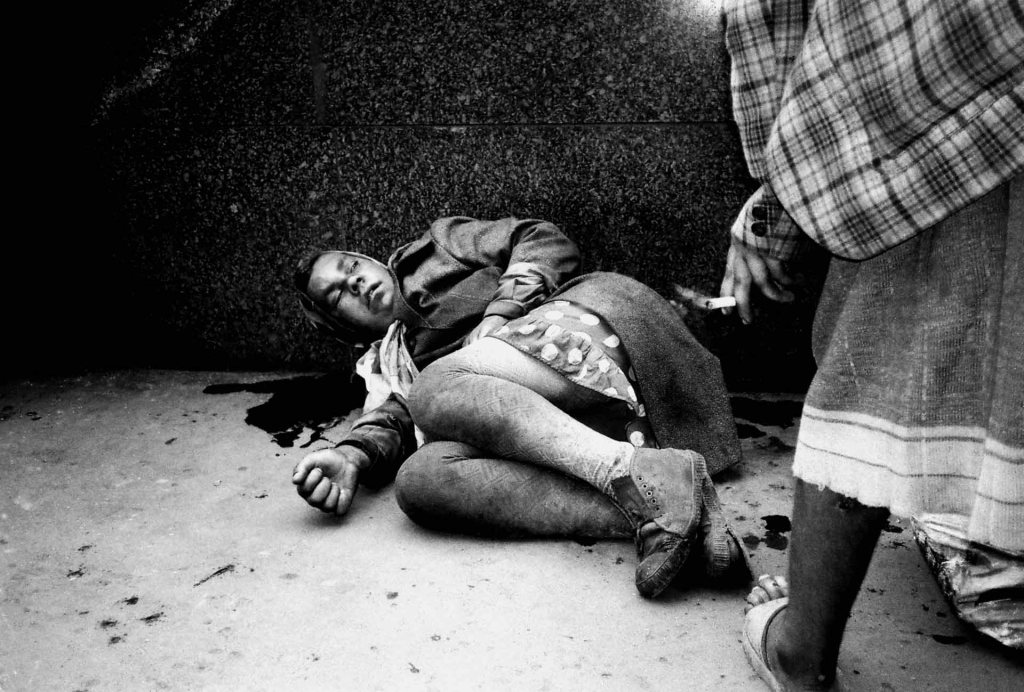
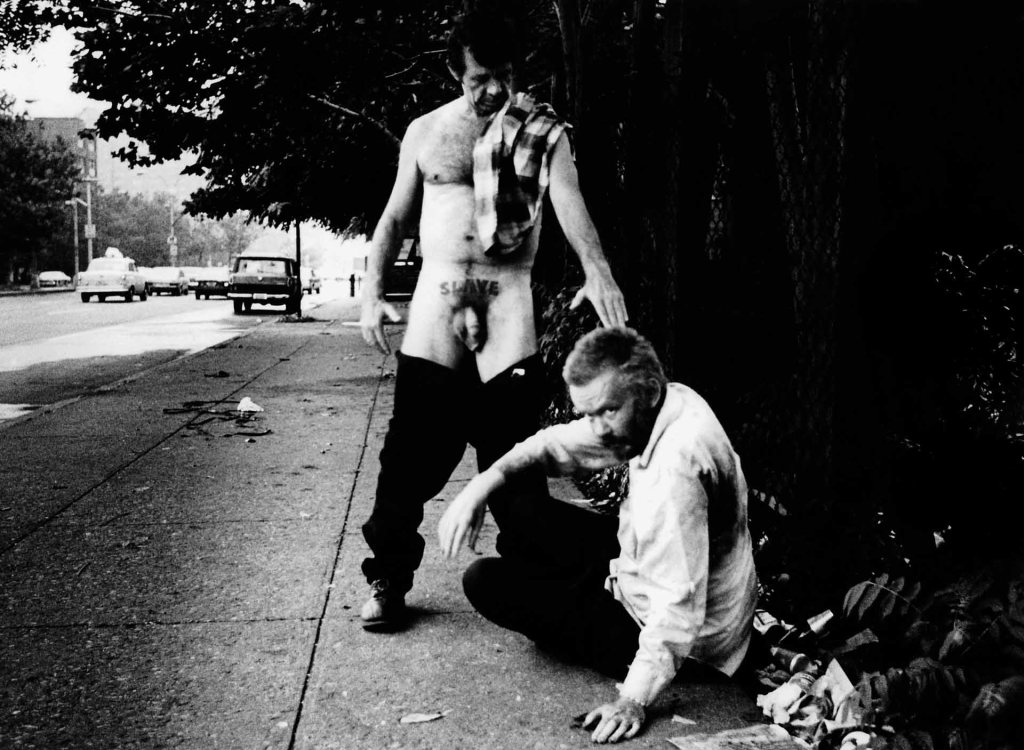
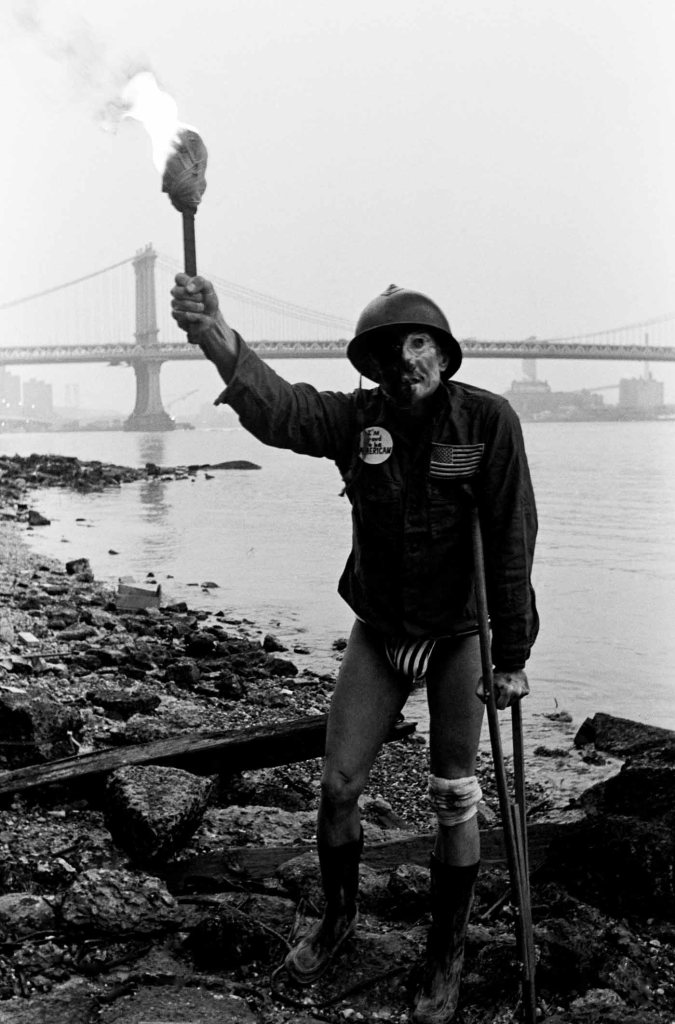
In 1980, Zownir relocated to the United States, spending most of the decade in New York City, with additional stays in Los Angeles and Pittsburgh. The pre-AIDS era of 1980s New York provided a chaotic, hyper-charged backdrop for his lens. He immersed himself in the city’s subterranean life, photographing sex workers, S&M clubs, dark alleys, and the extreme realities of urban homelessness. His work from this American period solidified his reputation as an exceptionally radical documentary photographer. The heavy shadows, gritty textures, and raw compositions of his New York images didn’t just record a scene; they captured a distinct existential anxiety and a visceral, poetic zeitgeist that was entirely his own.
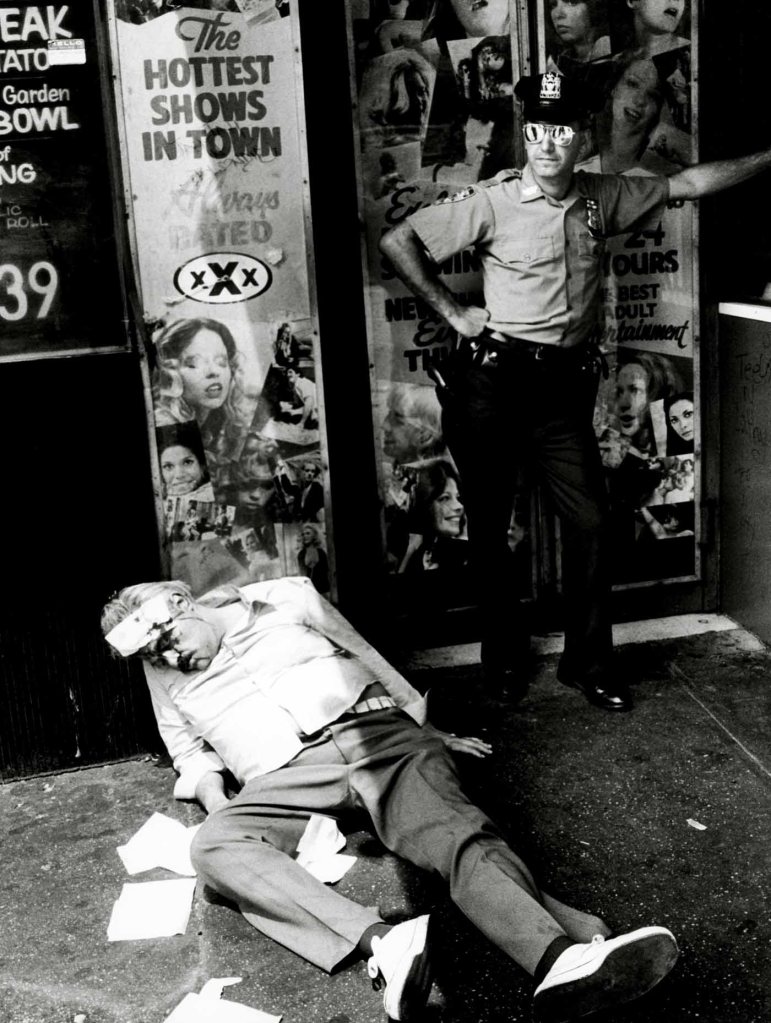
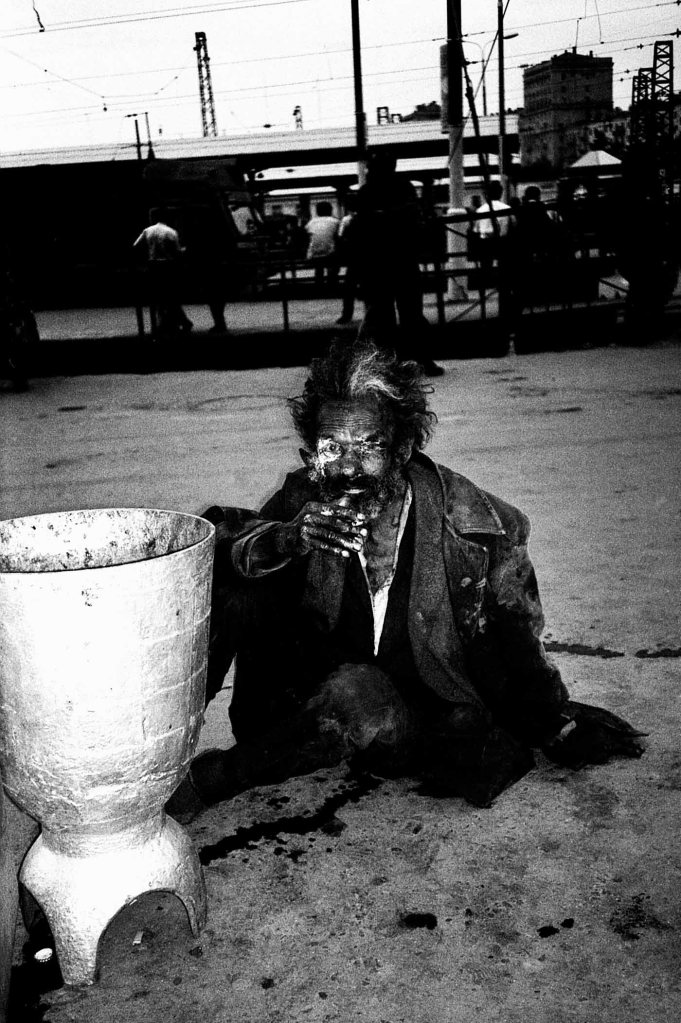
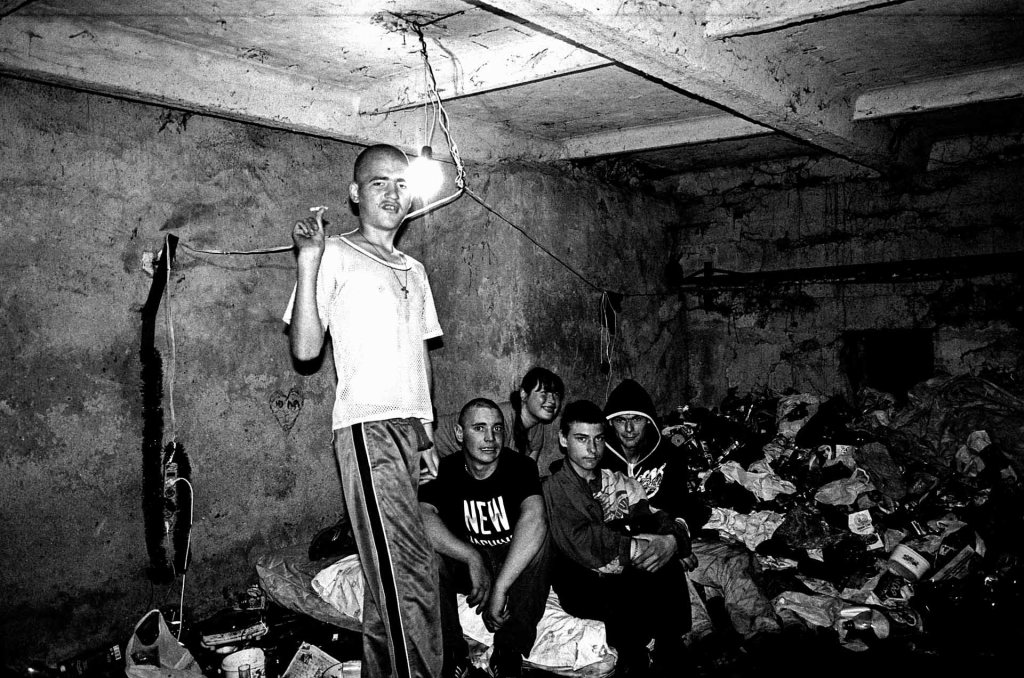
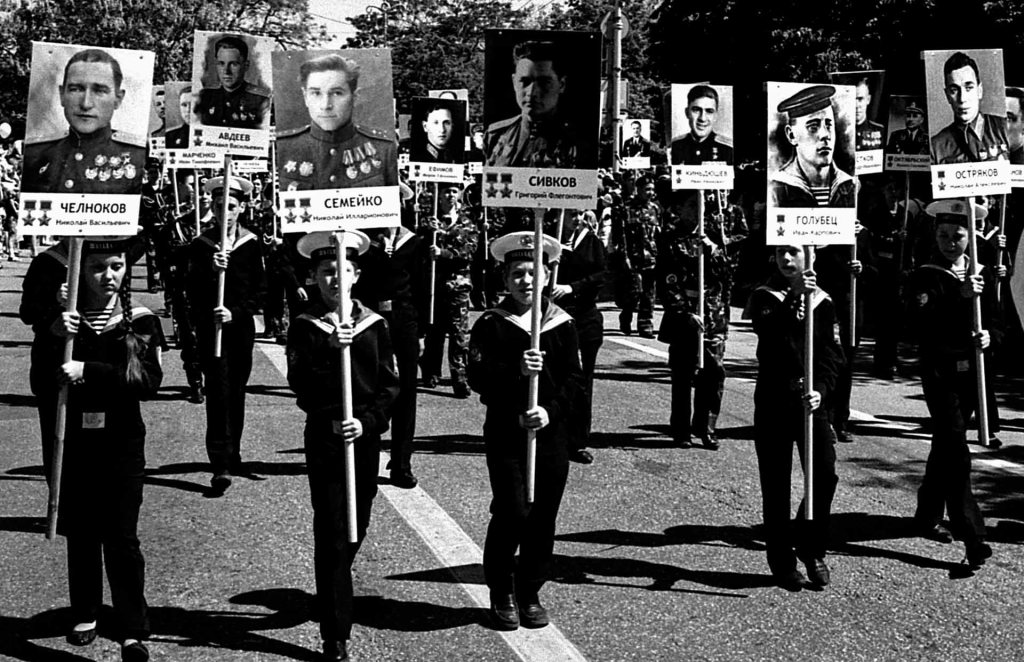
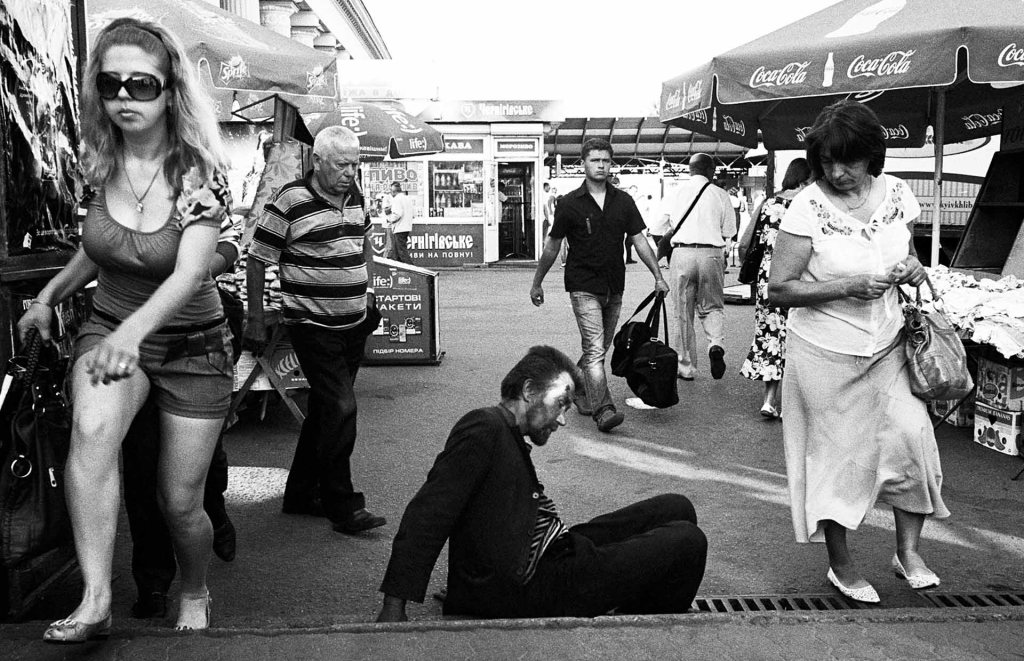
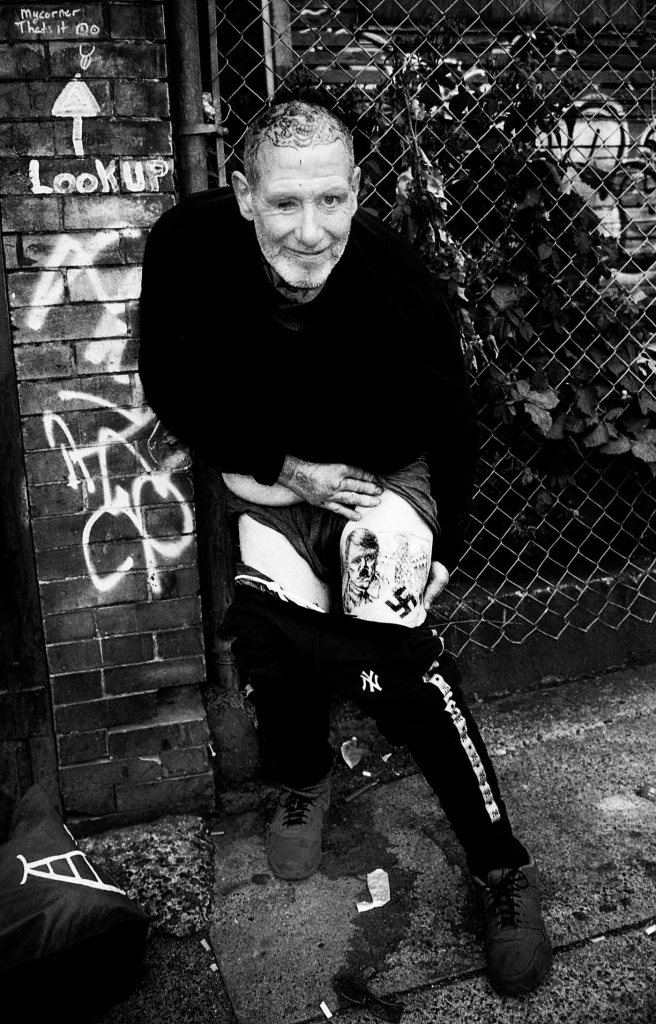
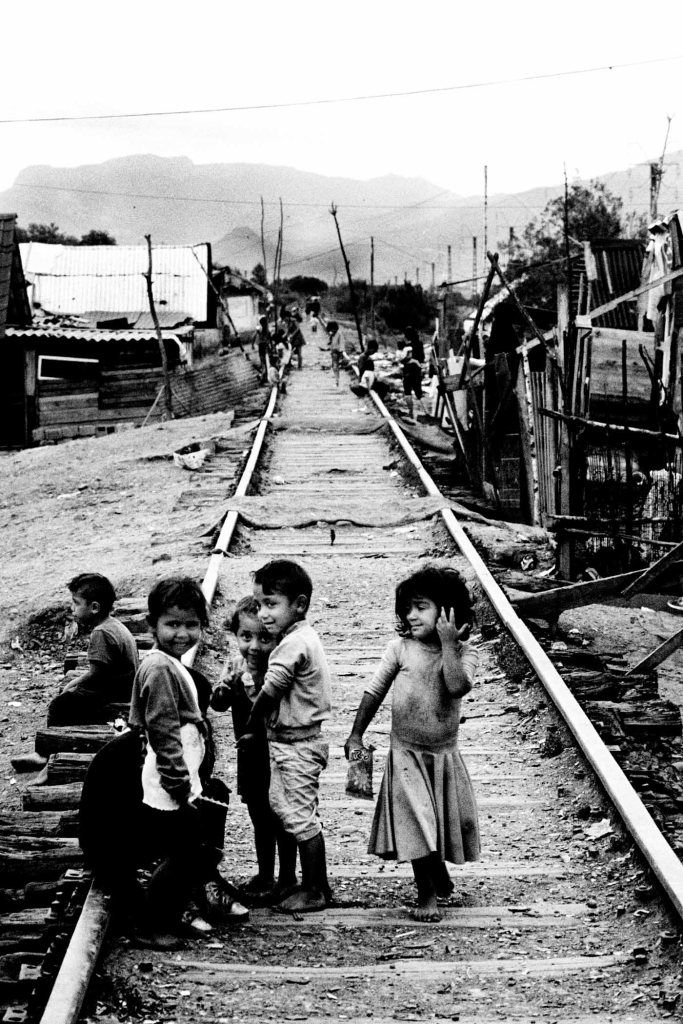
Zownir returned to a reunited Berlin in 1995, discovering that the passages of time and rapid commercialization had created entirely new layers of social friction. He resumed his documentation of the changing metropolis, contrasting its gritty history with its evolving identity. However, his lens has never been confined solely to Germany or the United States. Driven by an intuitive necessity to act as a witness to human suffering, Zownir has traveled to regions undergoing massive economic and political upheavals. When visiting Moscow in the 1990s to document its nightlife, he was so struck by the brutal poverty and casualties of the sudden shift from Communism to aggressive Capitalism that he pivoted his focus entirely, producing a harrowing, masterpiece collection of the city’s down-and-out population. Similar humanitarian crises and raw social realities have drawn him to photograph in Ukraine, Romania, Turkey, and beyond.
Beyond his legendary photography, Zownir is a true multidisciplinary artist, channeling his dark, surrealist worldview into underground filmmaking and crime literature. Yet it is his monochrome photography that remains his definitive legacy. By choosing the shadows and grays of analogue film over the interchangeable digital aesthetic of the modern age, Zownir strips away distracting details to highlight the unseen and the ignored. His pictures demand an emotional reaction, forcing the viewer to confront the stark realities of systemic neglect and human isolation, while granting immortal dignity to those living on the absolute fringes of the world.
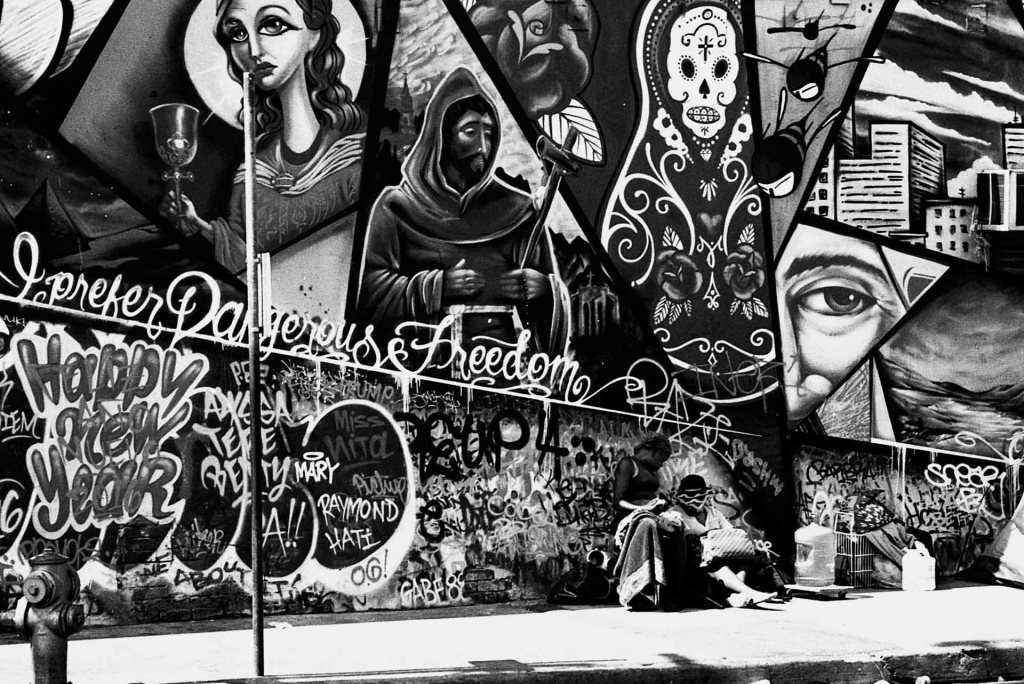
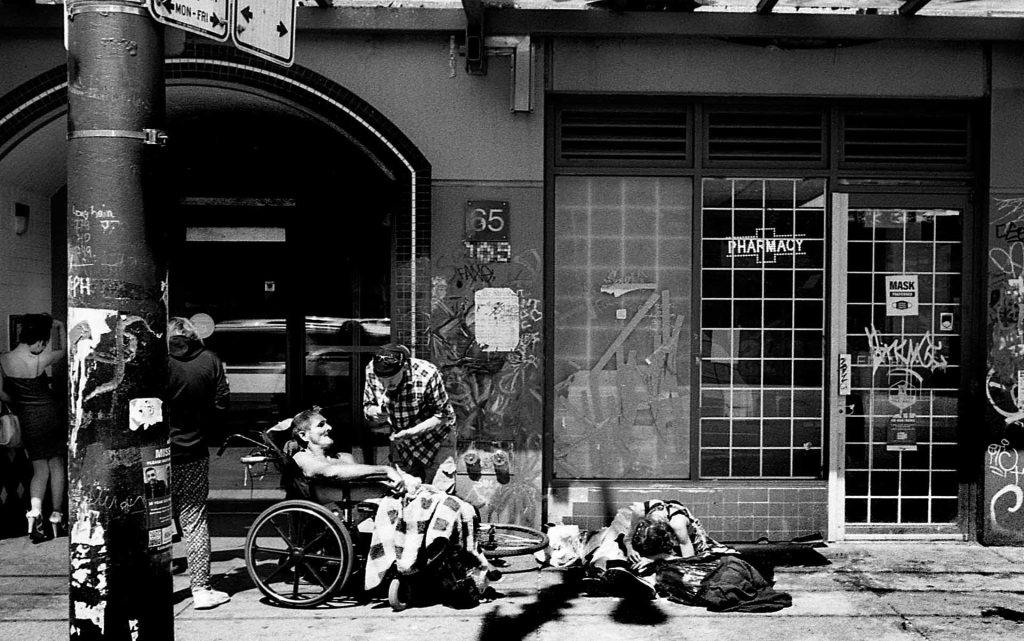
Miron can be spotted candidly shooting Photos at Pier 43 AKA the “Fuck Piers”
 Chainsaw Magazine