By
Nate Brooks
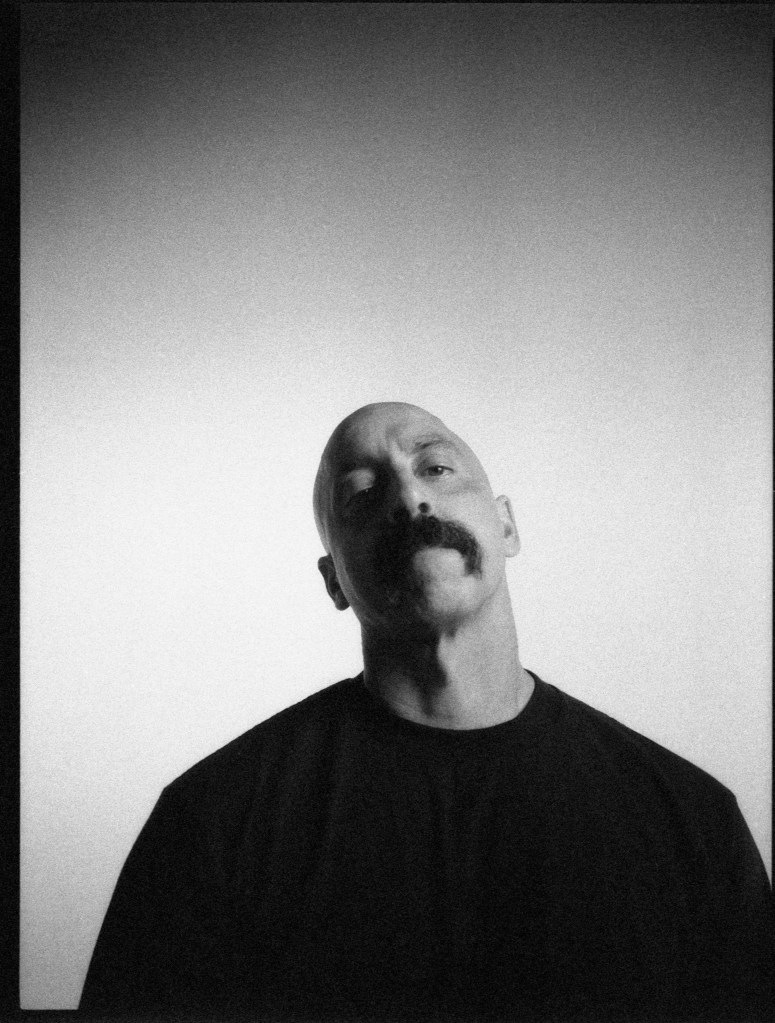
If you have ever wondered what it sounds like when the raw, bleeding angst of 1980s synth-punk is shoved into the rusted wood-chipper of a vintage hip-hop sampler and spat back out as borderlands realism, look no further than N8NOFACE. Born Nathan Hose, this Tucson-raised ghost now haunts the neon strip of Long Beach, a fiercely independent animal carving a genre-defying canyon into the side of the modern underground. Strikingly prolific, Hose breeds a high-velocity, lo-fi mutant strain he calls Narco Punk—a frantic, terminal collision of darkwave seance, industrial noise, and street-level scrapings that has hooked its teeth into punks, hip-hop heads, and alternative music legends alike.
He was spawned out in the dry, white heat of Tucson, Arizona, where the U.S.–Mexico border bleeds its high-stakes desperation right into the dirt, and where many of Hose’s peers ran drugs and hustled the corners just to keep the sun from swallowing them whole. Hose was the arty weird kid who watched from the periphery, keeping his hands clean of the crime but letting the dust settle deep into his psyche, forging a lifelong empathy for those desperate souls living outside the law’s jagged lines. His musical journey did not start with the standard rock-and-roll guitar garage ritual; he fell hard for East Coast rap, and at eighteen, he ordered an iconic E-mu SP-1200 drum machine straight from the back pages of The Source magazine like a kid buying a switchblade. For over two decades, he operated in absolute secrecy, a ghost in his own life, co-running a graffiti and hip-hop record shop in Tucson but keeping his own claustrophobic raps and fractured beats buried in the dark because he lacked a musical crew to share them with.
Then came the mid-2000s and the MySpace wire-tap where Hose formed Crimekillz, a drug-frenzied duo that weaponized aggressive vocals and chiptune loops ripped from a Nintendo Game Boy, gaining a feral underground cult before self-sabotage and the heavy anchor of addiction brought the whole operation crashing down. The hammer dropped when he was laid off from his day job in aviation, prompting a migration to Long Beach, California, where he finally shook the monkey off his back, got sober, and lit the fuse on the solo engine known as N8NOFACE. He remains a purist of the confined space, declaring that even to this day everything he does is recorded in his closet and he has never recorded at a studio, his undying goal being to try to make these genres with the hip-hop gear he has on hand, doing it entirely the wrong way until it comes out as his own unmistakable sound.
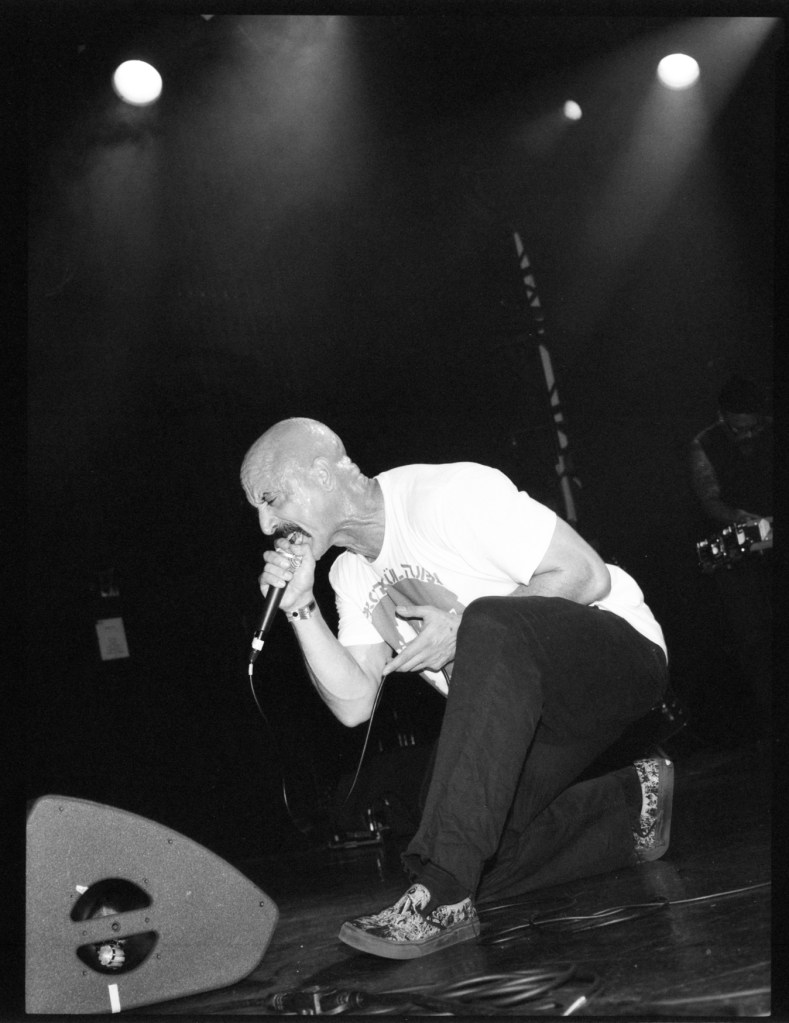
Look at an N8NOFACE tracklist and you are looking at a masterclass in violent, minimalist amputation where most tracks die screaming at a mere 50 to 60 seconds. They are explosive, terrifying bursts of raw electricity that terminate abruptly before a chorus can even think about repeating itself, built around vintage drum machines like the SP-1200 and ASR-10 mixed with harsh, overdriven synthesizers that sound like a nervous breakdown wired directly into a wall socket. His vocals are a frantic, confrontational assault that hangs in the dead space between a sweaty punk-rock shriek and a blood-drawn underground rap battle cry. Lyrically, he stands as a Chicano counterpart to literary realists, documenting the brutal, heartbreaking, and non-glorified horrors of addiction, street life, and survival. These dark pop vignettes frequently draw comparisons to narcocorrido—the bloody, sun-baked ballads of Mexican drug cartels—reimagined perfectly for a sweat-drenched crowd of urban synth-punks.
Because he did not grow up under the thumb of any rigid, localized music scene, his influences are a borderless, chaotic map of noise that originally baffled his Arizona peers. He pulls from a vast personal vault of tastes, throwing punk and post-punk icons like The Ramones, Suicidal Tendencies, and The Screamers into the same boiling pot as hip-hop and beat masters Nas, Mobb Deep, J Dilla, and Cypress Hill. He bridges the mechanical, hypnotic synth-structures of Suicide, Ministry, and Devo with the classic pop and indie sensibilities of Buddy Holly, Prince, and The Cure. In those early solo days, he intentionally took the minimal synth-spine of Suicide and twisted it into a rhythmic format that his hip-hop-loving friends could actually dance to, making the cross-pollination look totally natural and entirely his own.
For years, N8NOFACE was an internet anomaly, a DIY king self-releasing dark pop masterpieces from the darkness of his closet, but the global shutdown of 2020 served as his historical turning point. While the world sat paralyzed, music fiends dug deep into the digital dirt and discovered his frantic, live-streamed bedroom sets right at a time when rigid genre borders were completely dissolving across the culture. N8NOFACE emerged as a crucial bridge where SoundCloud rap, industrial darkwave, and hardcore punk constantly overlap, leading to extensive collaborations with Filipino-American post-punk artist Eyedress—notably on their 2021 collaborative album Don’t Dial 911—as well as the aggressive experimental rap group Ho99o9.
His cultural footprint has rapidly scaled from sweatbox DIY spaces to mainstream curiosity, getting dubbed the King of All Rocker Foos by the viral counterculture account FoosGoneWild. He went from never touring to being handpicked by Fred Durst to support Limp Bizkit on massive arena tours across the US and Europe, bringing his raw, one-man synthesizer assault to tens of thousands of people nightly. Now, with his recent signing to the prestigious Los Angeles indie imprint Stones Throw Records and the release of his latest EPs, N8NOFACE has proved that uncompromising, hyper-specific art can drag a massive audience into its orbit. He stands in music history as a monument to the absolute triumph of creative limitation, proving that you do not need an expensive studio, a full band, or a major label budget to capture a visceral, definitive cultural pulse.