Austin Texas’ Most Dangerous Graffiti Crew.
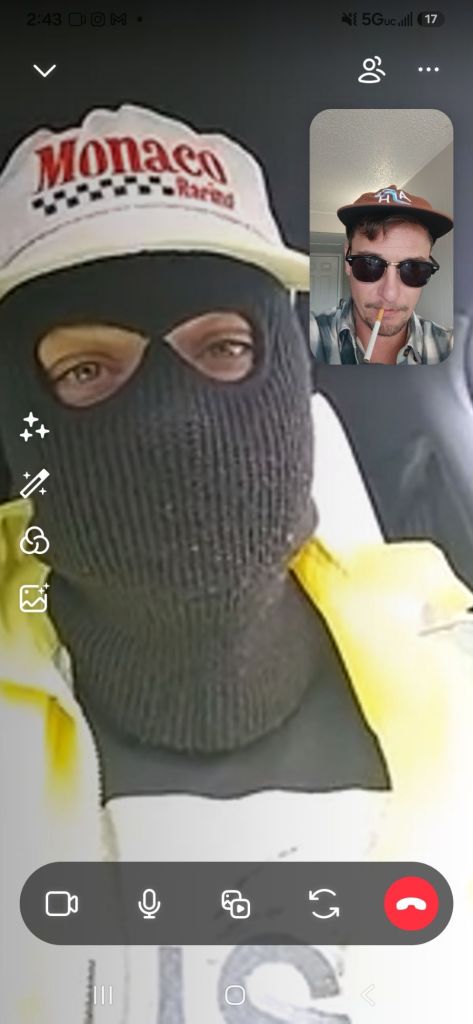
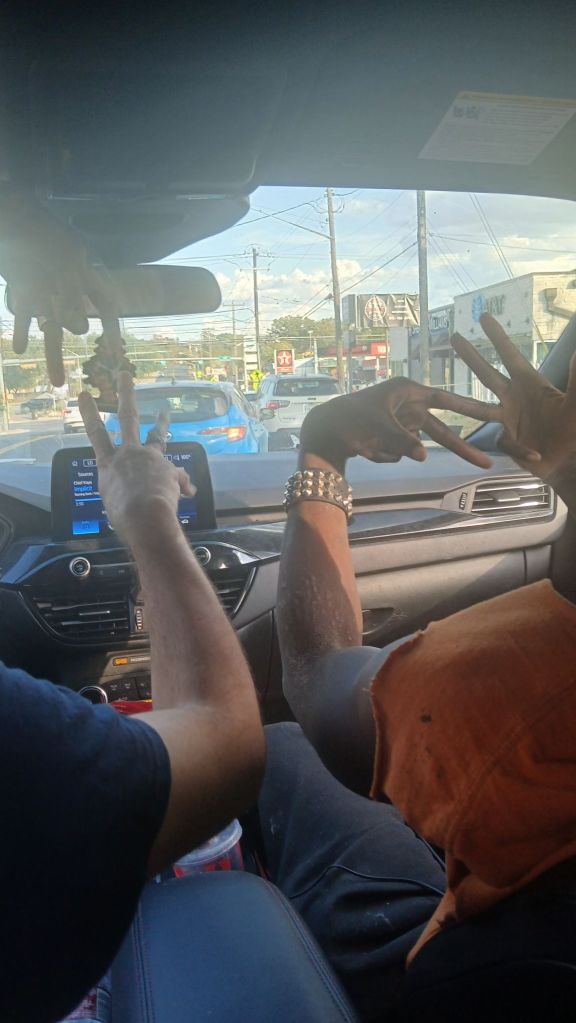
The Nigerian Warlords are a criminal and graffiti collective operating in the United States, led by an accused war criminal who continues to engage in illegal activities alongside two Anglo-Saxon American accomplices. The group’s daily routines are primarily characterized by heavy substance abuse, specifically the consumption of high-proof alcohol and methamphetamine, alongside widespread theft operations. While the gang targets a broad array of venues for larceny, they operate under a self-imposed restriction against stealing from locally owned small businesses. The following account details a direct, single-afternoon embedded observation of the group’s activities, behavior, and methods.
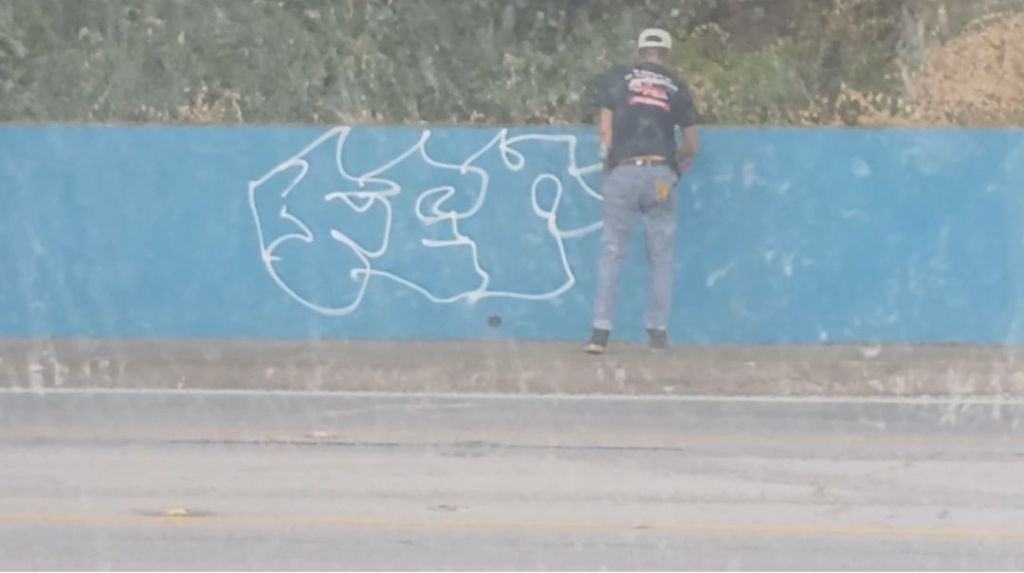
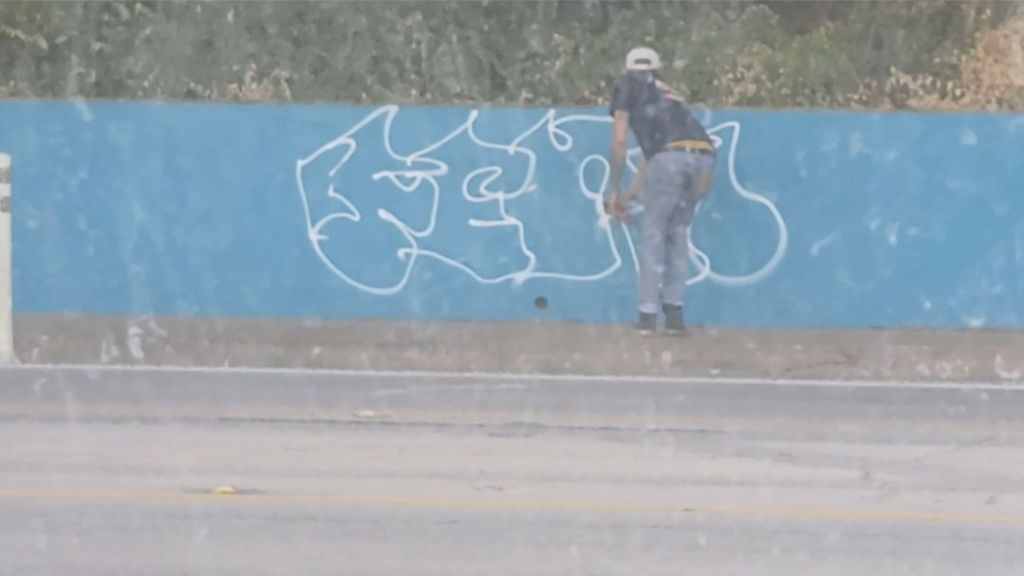
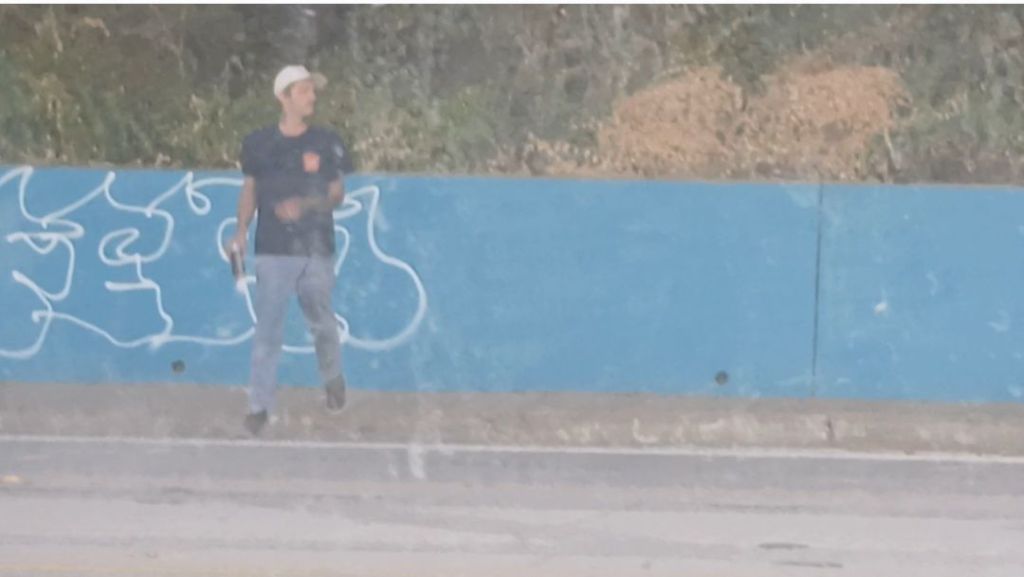
The Texas sun beats down on the Austin streets, baking an asphalt kingdom where the law is merely a suggestion and the Nigerian Warlords run wild. This three-man graffiti crew, or gang, a volatile mix of chaos and art, is led by Makat Namugo, a former child soldier from Lagos who washes down his vodka with what he calls chocolate murk (unable to pronounce “milk”). His disciples, Chainsaw Magazine’s Dusty Bramble and the twitchy, ketamine-fueled Bobby Hill, patrol the city in a DoorDashing chariot, hunting for spray paint, liquor stores, and anyone foolish enough to smoke a Camel Wide in their path.
They leave a trail of tags, tossing slaps out the window like holy relics for the stray dogs and derelicts of East Austin to find. It started over champagne and biscuits, when Dusty, freshly kicked out of the brunch spot, recognized a fellow writer in the paint under my nails. That casual meeting evolved into long nights of black booking under the amber glare of streetlights, a ritual before the impending slam of a cell door pushed us into this final, jagged joyride.
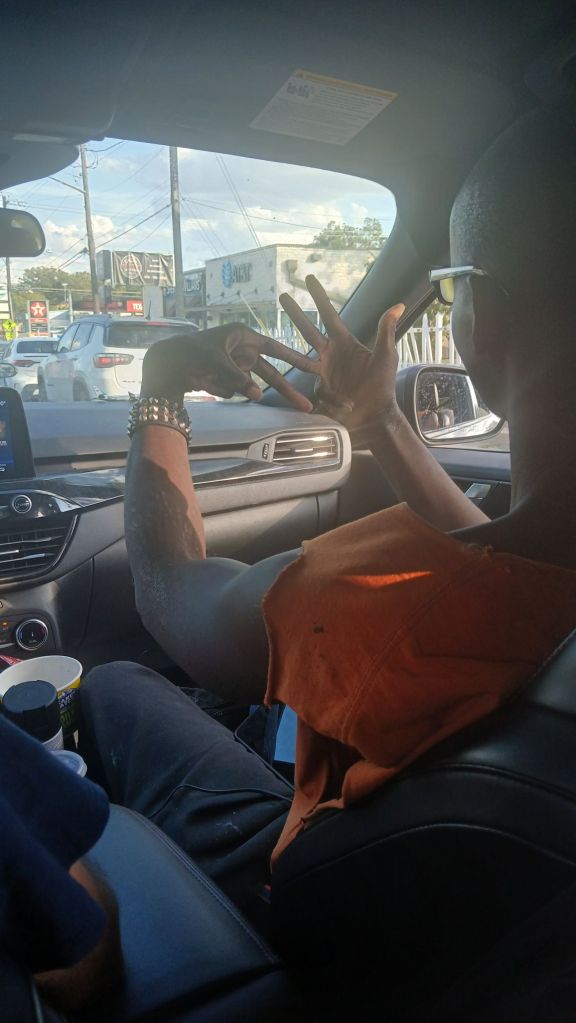
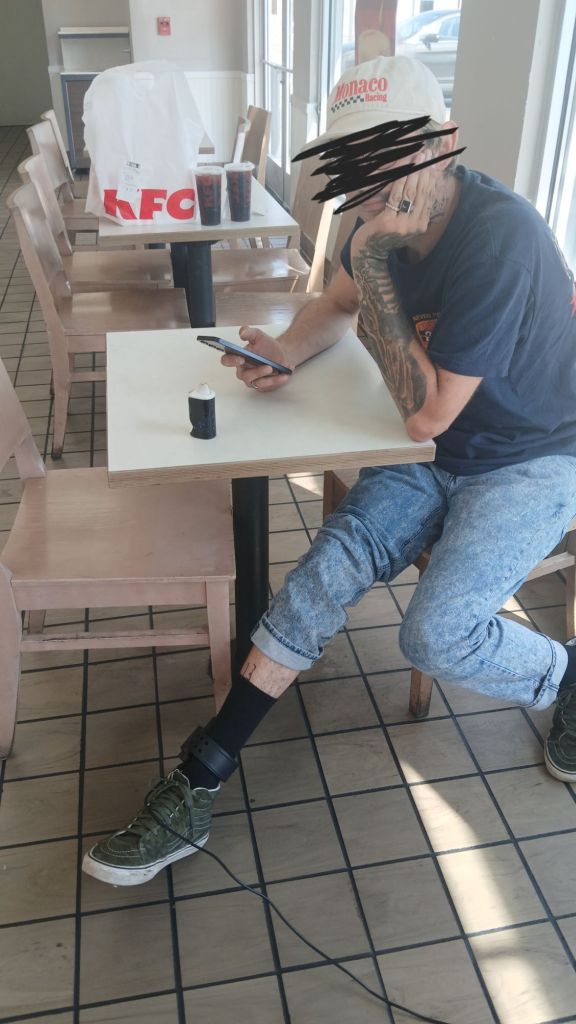
The inventory of their mutual sins was staggering: twenty-six felonies stacked high like a deck of marked cards, most belonging to Namugo, serving as their dark currency. When Bobby Hill climbed into the vehicle, he brought the frantic stench of his own undoing—a massive bump of ketamine and two hundred and fifty dollars for his silence, payment for a moving day standoff where a pistol touched his nose. They roared through the afternoon haze, pausing only to tag in broad daylight and raid liquor stores for shots of ninety-nine bananas and twisted tea between delivery runs, sometimes even to charge Dusty’s ankle monitor at fast food restaurants.
Bobby, floating on an arctic glacier of ketamine, couldn’t resist the urge to play God in traffic. He’d launch himself onto the asphalt, accosting drivers for Camel Wides and throwing punches at those who refused his demands. Meanwhile, he scattered tagged stickers out the window, a surreal confetti for the neighborhood, when asked what the logic here was he said “dont worry people will find the stickers and put them up for me”. I watched from the passenger seat, the sole sober observer in a car driven by liquor-fueled Door Dashers, documenting the descent into madness.
Besides drinking chocolate murk and dodging warrants, Namugo and his crew sustain themselves by lifting Amazon packages, cleaning out unlocked cars, and racking spray paint from art supply stores. Between delivery runs, snacking on boiled peanuts, and watching skate videos in the car, the group regularly scours the streets for Camel Wides, not hesitating to use violence to claim them.
After being dropped off at my house, eager to escape the drunk driver, I stepped onto the balcony to smoke a cigarette. I spotted Bobby Hill walking toward Dusty’s apartment; he ignored my shout, vanishing into the distance. Moments later, police swarmed the parking lot. Dusty’s girlfriend eventually revealed the truth: they had detoured to a liquor store where Bobby Hill crashed out, broke the windshield, and threatened everyone. In a desperate move, someone called the police, only to find them fixated on Dusty’s own open warrants, prompting him to burn off his ankle monitor and go on the run.

